.png)


How to Choose Final Expense Insurance for Peace of Mind
- Lincoln De Freitas
- Dec 16, 2025
- 7 min read

Over 83 percent of American adults express concerns about leaving behind financial burdens for their loved ones. Planning for final expenses is more than just covering funeral costs, it is about giving your family peace of mind when it matters most. This guide breaks down each step to help you choose the right final expense insurance, so you can make confident, informed decisions that protect those you care about.
Table of Contents
Quick Summary
Key Point | Explanation |
1. Assess Your Coverage Needs | Calculate all end-of-life expenses to determine necessary coverage without overpaying for insurance. |
2. Research Policy Types | Understand different final expense insurance structures to select the best option for your financial situation. |
3. Evaluate Insurer Reputation | Investigate the financial strength and customer service of potential insurance providers before making a selection. |
4. Review Application Processes | Look for policies with simplified applications and fast approval timelines to ensure quick protection. |
5. Verify Policy Terms | Carefully examine all policy details, including exclusions and waiting periods, to avoid unexpected issues later on. |
Step 1: Assess your coverage needs and budget
Choosing final expense insurance starts with understanding your specific financial landscape. Your goal is determining exactly how much coverage you need without overpaying or leaving loved ones with unexpected costs.
Begin by calculating comprehensive end-of-life expenses that go beyond just funeral arrangements. Break down potential costs into clear categories: funeral services, burial expenses, legal documentation, and miscellaneous final arrangements. Typical funeral expenses range between $7,500 and $12,000, with additional costs for caskets, cremation, and headstones potentially adding thousands more.
When evaluating your budget, financial experts recommend ensuring your insurance premium does not exceed 5% of your monthly income. This helps guarantee long-term affordability while providing necessary protection. Consider your current health status as it will impact both plan eligibility and potential premium rates. Some plans offer guaranteed acceptance with no medical exam, which might be ideal if you have pre-existing health conditions.
Pro tip: Create a simple spreadsheet listing all potential end-of-life expenses to get a precise picture of the coverage amount you truly need.
Step 2: Research available policy types and options
Understanding the different final expense insurance policy types is crucial for making an informed decision that matches your financial situation and long-term goals. Your primary objective in this step is to explore the various premium structures and policy features that can provide the best protection for your loved ones.
Final expense insurance policies offer three primary premium structures to suit different financial needs. Single-pay policies allow you to cover the entire cost upfront, which can be ideal if you have a lump sum available and want to eliminate future payment concerns. Limited-pay options let you complete payments within a set timeframe often 20 years or less giving you flexibility and potentially lower overall costs. Lifetime-pay policies involve consistent monthly or annual payments throughout your life ensuring continuous coverage.
Here is a summary of common final expense insurance premium structures:
Premium Structure | Payment Timing | Main Benefit | Considerations |
Single-Pay | Paid in full up front | No future payments required | Large initial outlay needed |
Limited-Pay | Paid over set period (e.g., 10-20 years) | Ownership after payments stop | Higher installment amounts |
Lifetime-Pay | Paid monthly or annually for life | Spread cost over many years | Total paid may exceed coverage if lived long |
When researching options, pay close attention to key policy features beyond premium structures. Look for plans with level premiums that will not increase over time, guaranteed acceptance options for those with health challenges, and clear terms about policy benefits. Consider consulting with an independent insurance agent who can help you compare multiple carriers and find a policy tailored to your specific health status and financial circumstances.
Pro tip: Request detailed policy illustrations from at least three different insurance providers to compare exact coverage amounts, premium costs, and potential limitations before making your final selection.
Step 3: Compare insurer reputations and financial strength
Evaluating the credibility and reliability of final expense insurance providers is a critical step in protecting your family’s financial future. Your mission is to dig deeper than surface-level marketing and uncover the true stability and performance of potential insurance carriers.
Comprehensive research involves examining multiple key indicators of an insurance company’s strength. Start by reviewing independent financial ratings from respected agencies like AM Best and Moody’s. These ratings provide an objective assessment of an insurer’s ability to pay claims and maintain financial stability. Look for companies with ratings of A or higher, which typically indicate strong financial performance and low risk of default.
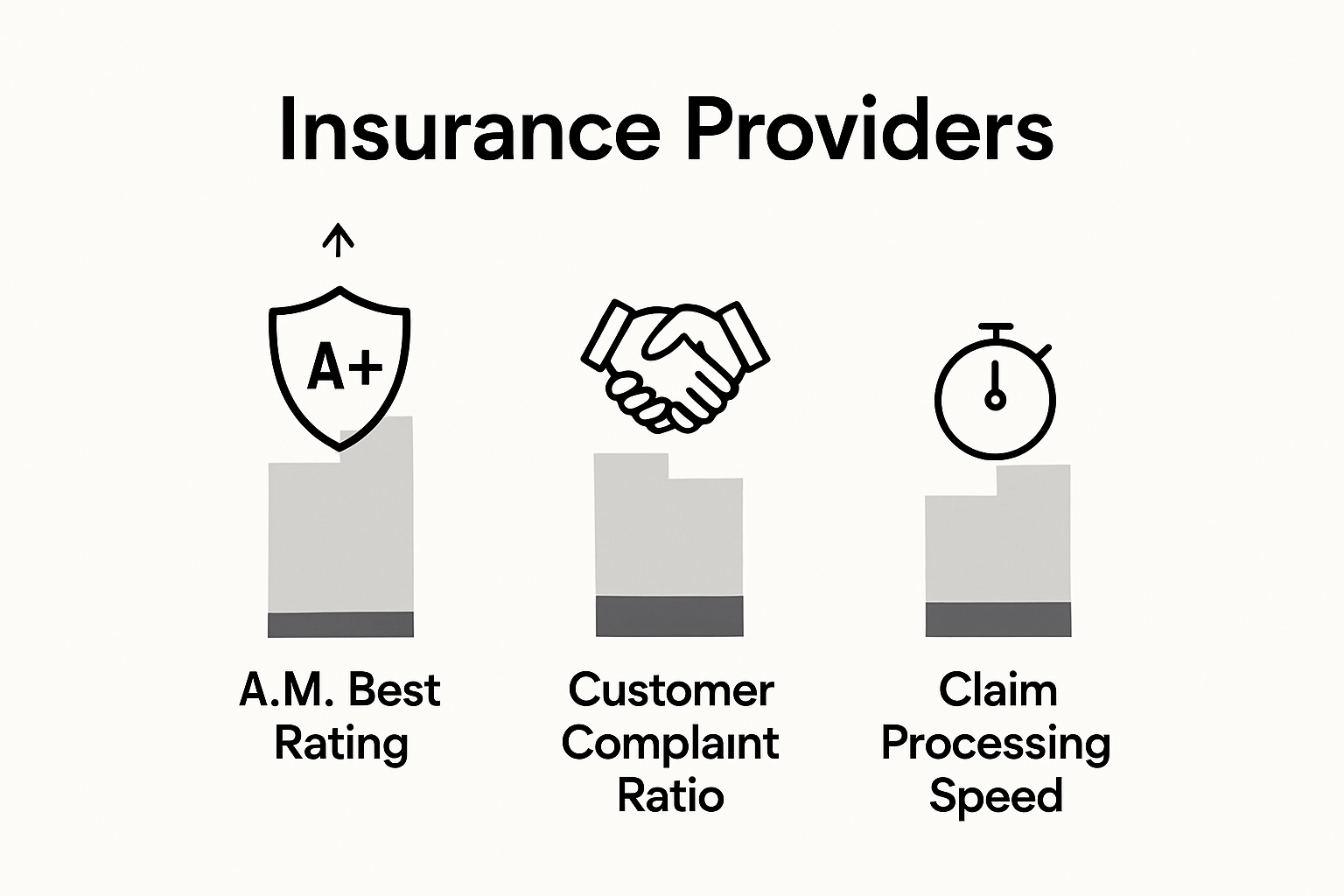
Beyond financial ratings, investigate customer service reputation by reading independent reviews, checking complaint ratios with state insurance departments, and seeking recommendations from trusted financial advisors. Pay attention to factors like claim processing speed, customer support responsiveness, and overall client satisfaction. An insurance company might have excellent financial ratings but poor customer service can make the claims process frustrating during an already difficult time.
Pro tip: Use online comparison tools and consult with an independent insurance agent who can provide unbiased insights into multiple carriers and help you find the most reputable and financially sound option for your specific needs.
Step 4: Evaluate application processes and approval times
Navigating the final expense insurance application process requires understanding the different pathways to coverage and what to expect during approval. Your primary goal is finding a policy with a straightforward application that provides quick protection for your loved ones.

Most final expense policies offer simplified or guaranteed issue options which means you can avoid the traditional medical exam hurdles. These policies typically require only a brief health questionnaire and can provide almost immediate coverage. Guaranteed issue policies are especially helpful for individuals with significant health challenges, as they do not require any medical underwriting and offer acceptance regardless of your health status.
When comparing application processes, pay close attention to the required documentation, expected processing times, and potential waiting periods before full coverage begins. Some policies offer immediate full coverage, while others might have a graded benefit period where full benefits are phased in over two or three years. Ask potential insurers about their specific approval timelines, communication processes, and what documentation you will need to provide during application. Working with a licensed insurance specialist can help streamline the process and ensure you understand all the nuanced details of your potential policy.
Pro tip: Prepare all necessary personal and medical information in advance to expedite your application and reduce potential delays in the approval process.
Step 5: Verify policy terms and premium guarantees
Understanding the intricate details of your final expense insurance policy is crucial to ensuring long-term financial protection for your loved ones. Your mission in this step is to carefully review every aspect of the policy to prevent unexpected surprises down the road.
Final expense insurance policies feature level premiums that remain consistent over time, providing stability and predictability in your financial planning. Different premium structures like single-pay, limited-pay, and lifetime-pay options offer flexibility to match your specific financial circumstances. During your review, pay close attention to how long the policy remains in force and under what conditions your coverage could potentially change or be canceled.
Carefully examine the policy summary for critical details including waiting periods, specific exclusions, grace periods for late payments, and any conditions that might impact your coverage. Look for potential clauses related to suicide, pre-existing conditions, or other circumstances that could limit benefit payouts. Ask your insurance agent to explain each term in plain language and provide written clarification for any points that seem complex or unclear. Understanding these nuanced details will help you choose a policy that truly provides the peace of mind you are seeking.
This table clarifies key policy terms to review before choosing your coverage:
Policy Term | Meaning | Why It Matters |
Grace Period | Extra time to pay late premium | Avoids unexpected cancellation |
Waiting Period | Delay before full benefits | Impacts when payout begins |
Exclusions | Situations not covered | Prevents denied claims |
Level Premium | Fixed payments over time | Ensures predictability |
Pro tip: Request a comprehensive policy illustration that breaks down all terms, premiums, and potential scenarios to ensure you have a complete understanding before making a final commitment.
Secure Your Family’s Future with Trusted Final Expense Insurance
Choosing the right final expense insurance can feel overwhelming. With important factors like coverage needs, premium structures, insurer reliability, and policy terms to consider, you want clear guidance and a compassionate partner. If you are seeking guaranteed acceptance, fixed premiums, and a simplified application process, trust the experts who understand your goals of protecting loved ones and managing end-of-life expenses comprehensively.

Explore tailored final expense insurance options at LD Financial Services, where you can get personalized advice on coverage amounts, premium plans, and approval timelines. Don’t wait for uncertainty to grow—connect with licensed agents today to secure peace of mind with affordable and transparent policies. Take the first step now by visiting https://ldfinancialservices.ca and booking a consultation to protect what matters most.
Frequently Asked Questions
What factors should I consider when assessing my coverage needs for final expense insurance?
To assess your coverage needs, evaluate potential end-of-life expenses including funeral services, burial costs, and legal fees. Create a detailed breakdown of these expenses to identify the right coverage amount that won’t overextend your budget.
How do I compare different policy types for final expense insurance?
When comparing policy types, look for single-pay, limited-pay, and lifetime-pay options. Review the payment structure and benefits for each type to find one that aligns with your financial situation and long-term goals.
What should I look for in an insurance provider when choosing final expense insurance?
Evaluate the insurance provider’s financial ratings, customer service reputation, and claim processing speed. Research several providers to ensure you choose one that is reputable and has a solid track record of satisfied clients.
How can I simplify the application process for final expense insurance?
To simplify the application process, seek policies with simplified or guaranteed issue options that require minimal health information. Gather all necessary personal and medical documentation in advance to speed up your application and approval timeline.
What key terms should I review in my final expense insurance policy?
Review terms such as waiting periods, exclusions, grace periods, and premium structures in your policy. Understanding these details will help prevent any surprises and ensure the policy provides the peace of mind you seek.
Recommended
Comments